 By Nyanza Wire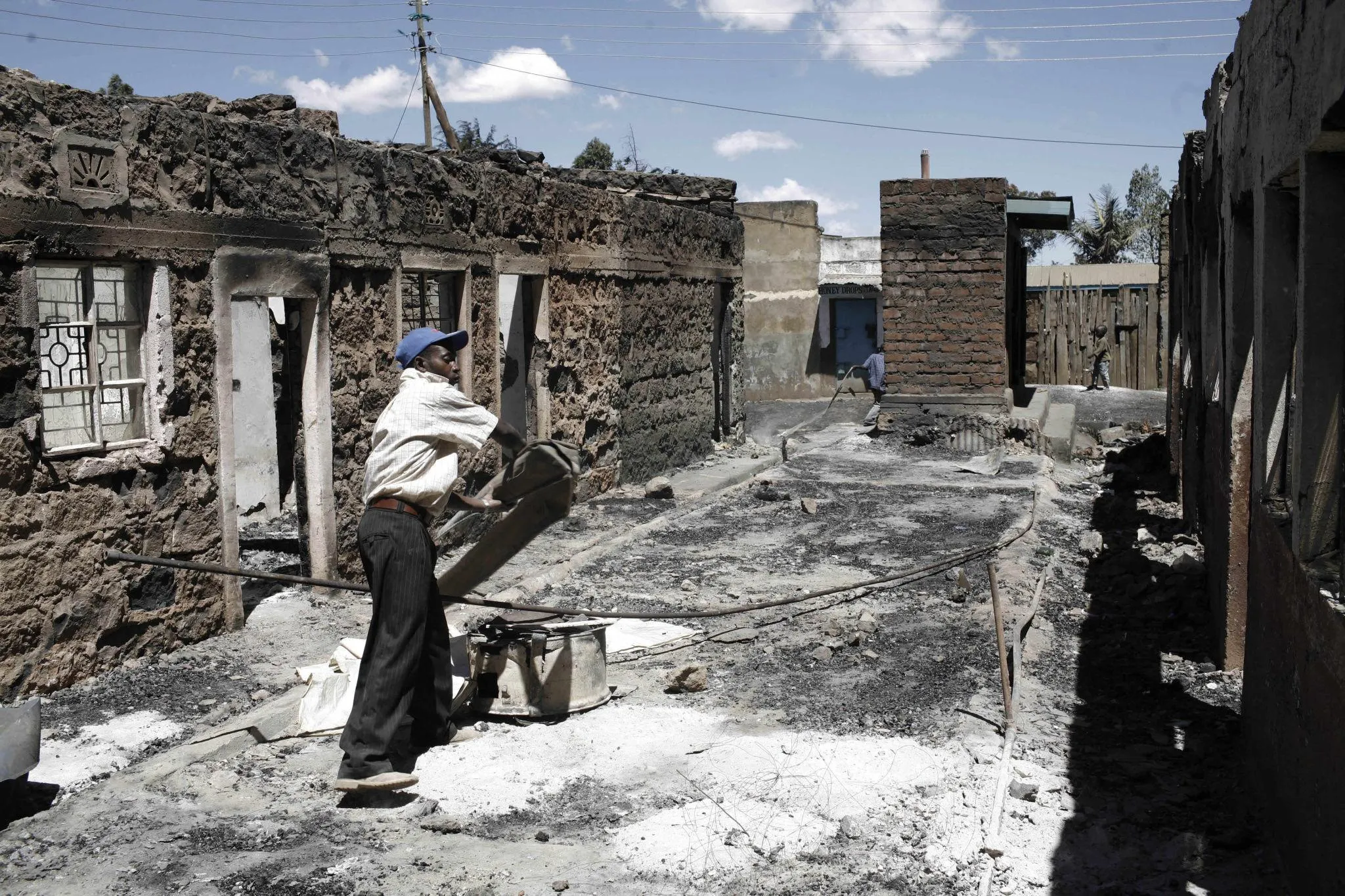
In the aftermath of the 2007–2008 post-election violence in Kenya, the national narrative largely crystallized around visible displacement, organized camps, and structured resettlement efforts. However, beneath that dominant storyline lies a quieter, less acknowledged reality—one that continues to shape perceptions of justice, equity, and historical accountability.
As the state, under figures such as Uhuru Kenyatta, intensified pressure on outlawed groups like Mungiki in the years following the violence, it is alleged that elements of those networks sought refuge and political cover across ethnic and regional lines. This moment exposed a complex intersection of politics, survival, and expediency that has remained largely unexamined.
Yet, for many Luo victims of the 2007 violence, the issue is far more personal than political.
Across towns such as Naivasha, Limuru, Tigoni, Nakuru, and parts of Nairobi, Luo families were subjected to brutal attacks—killings, forced displacement, sexual violence, and, in some cases, forced circumcision. Unlike other affected populations, many of these victims did not end up in formal Internally Displaced Persons (IDP) camps. Instead, they returned—often silently—to their ancestral homes or sought refuge with relatives in Nyanza.
This absence of camps created an illusion: that there were no Luo IDPs.
But there were.
They were simply absorbed.
No tents. No registration. No structured humanitarian pipeline. No national visibility.
While resettlement efforts—reportedly championed by leaders such as James Orengo—focused heavily on land acquisition and formal reintegration of displaced populations elsewhere, Luo victims largely relied on community resilience. Extended families stretched already limited resources. Entire households rebuilt from nothing, without state acknowledgment or targeted compensation frameworks.
The consequences of this disparity are still felt today.
Widows who endured unspeakable violence remain without closure. Orphans grew up without restitution. Survivors of forced circumcision and torture live with both physical and psychological scars. Critically, very few perpetrators of crimes specifically targeting Luo victims were prosecuted.
For many, the only perceived form of justice came indirectly—through the later state crackdown on Mungiki during the tenure of John Michuki. That campaign, marked by its own controversies, was seen by some as retribution rather than justice—swift, forceful, but legally ambiguous.
The deeper irony, as critics argue, is that sections of the political leadership—including figures associated with Raila Odinga and Anyang Nyong’o—have been accused of failing to institutionalize a structured pursuit of justice specifically for Luo victims. Whether due to political trade-offs, national reconciliation priorities, or systemic limitations, the result has been the same: a community that feels its suffering was never fully acknowledged.
This is not merely a historical grievance—it is a policy gap.
Transitional justice, by design, must be inclusive. It cannot prioritize visibility over reality, or structure over substance. The absence of Luo IDP camps did not mean absence of displacement. It meant informal coping mechanisms replaced formal recognition.
Today, nearly two decades later, the call remains simple but urgent: acknowledgment, accountability, and compensation.
Even if delayed.
Even if incomplete.
Because for the families affected, justice deferred has long felt like justice denied.