 By Nyanza Wire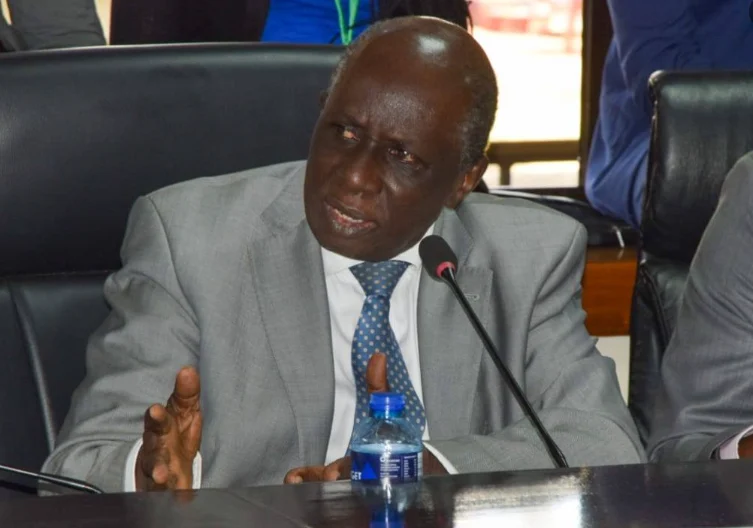
Leaders and community representatives in Nyanza have strongly opposed a proposed mandatory KSh 3,000 feeding fee for junior school pupils, describing it as burdensome and poorly timed.
The dispute underscores broader tensions in Kenya’s education system, where parents, lawmakers, and school administrators struggle to balance rising costs with constitutional guarantees of free basic education.
Speaking out against the fee, Dr James Nyikal, MP for Seme, said, “This charge is punitive for families who are already struggling. Imposing KSh 3,000 per child without proper consultation is unacceptable. We will push for its immediate repeal once Parliament reconvenes.”
He emphasised that families with multiple school-going children face cumulative costs that could reach tens of thousands of shillings annually, creating financial strain and potentially disrupting children’s learning if meals are withheld for non-payment.
The controversy arises amid persistent gaps in education financing.
Government allocations intended to cover basic school costs are often insufficient or delayed, forcing schools to seek alternative revenue streams. Some public schools receive minimal funding, which is inadequate to support essential services such as meals, instructional materials, and school operations.
With limited resources, schools have sometimes had to make difficult decisions, including fee hikes or temporarily sending pupils home.
While officials maintain that free basic education is a constitutional right, financial constraints have led many schools to rely on parental contributions, a situation that has sparked disputes like the current one.
Critics argue that the fee may lack legal and procedural justification.
They maintain that imposing mandatory charges without proper legislative oversight could contravene national education policies and the constitutional mandate for free basic education. The debate highlights a broader challenge in education financing, where ad-hoc measures risk undermining predictability, equity, and long-term planning.
 Walter Akillah